Chronic dry eye - comprehensive treatment in Delhi
Consultation scheduling, insurance coordination and post-op follow-up handled by a dedicated care coordinator.
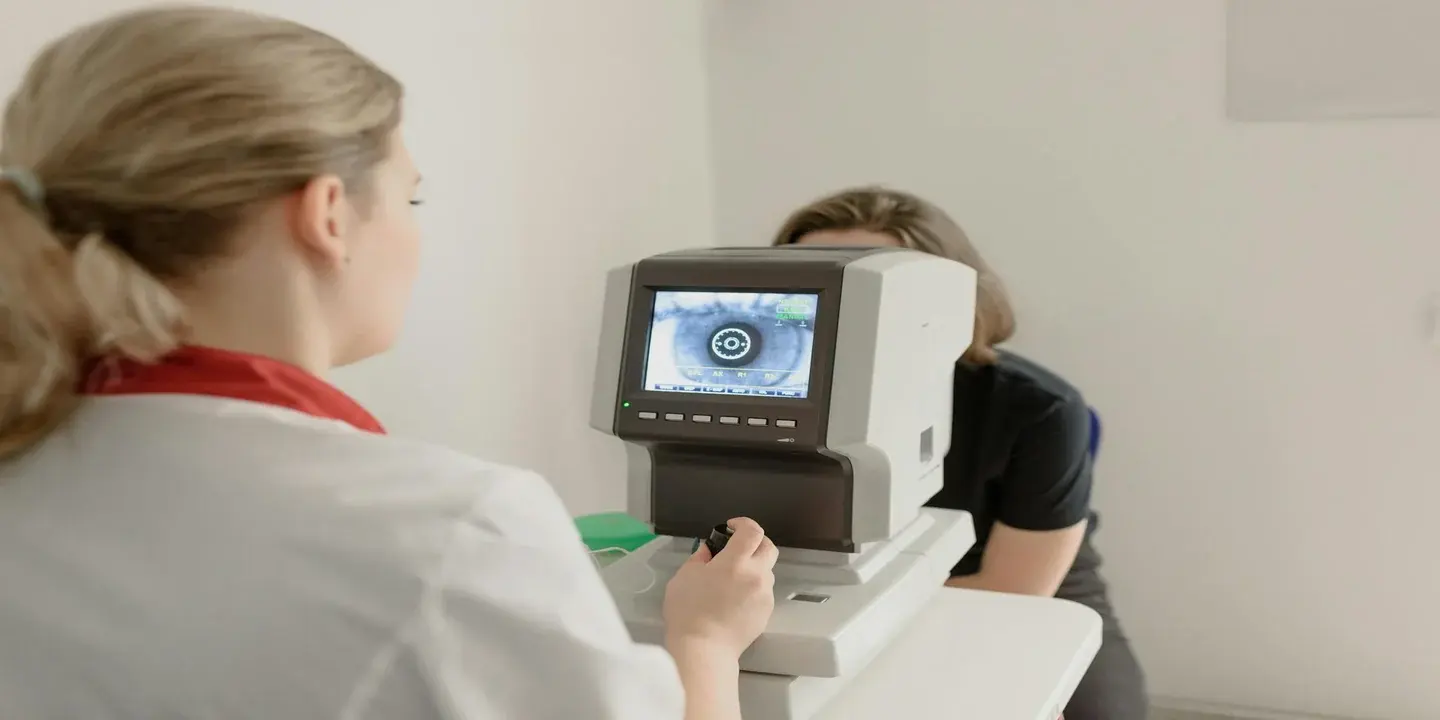
The most common causes of dry eye in Delhi
Dry eye disease is not a single condition - it is a spectrum of disorders affecting tear film stability. The most common cause in urban India is meibomian gland dysfunction (MGD): the oil-producing glands in the eyelids become blocked, the oily layer of the tear film breaks down too quickly, and tears evaporate faster than they can be replenished.
- Meibomian gland dysfunction (MGD) - most common cause
- Prolonged screen use / reduced blink rate
- Contact lens wear
- LASIK surgery (temporary dry eye in some patients)
- Autoimmune conditions (Sjögren's syndrome, rheumatoid arthritis, lupus)
- Thyroid eye disease
- Low humidity environments - air conditioning, heating, flights
- Certain medications (antihistamines, antidepressants, oral contraceptives)
- Post-menopausal hormonal changes
- Vitamin A deficiency
Recognise the symptoms
What our dry eye evaluation includes
Tear break-up time (TBUT)
Measures how quickly the tear film breaks apart between blinks. Normal is >10 seconds. Dry eye patients typically <5 seconds.
Schirmer's test
Assesses baseline tear production - a filter paper strip placed on the lower lid for 5 minutes measures total aqueous production.
Meibography
Infrared imaging of the eyelid to visualise meibomian gland structure. Shows gland dropout - a key measure of MGD severity.
Corneal staining
Fluorescein and rose bengal dyes reveal areas of epithelial damage on the corneal and conjunctival surface - indicating severity and location of dryness.
Blink analysis
Assessment of blink rate and blink completeness - incomplete blinks leave the lower cornea exposed and are a major driver of dry eye in screen users.
Osmolarity testing
Tear osmolarity is the gold-standard biomarker for dry eye disease. Higher osmolarity = more severe dry eye.
Dry eye can involve more than tear production
The cornea, conjunctiva, eyelid margins, tear film and meibomian glands function as one ocular surface system. If symptoms suggest allergy, infection, blepharitis, recurrent erosion or another corneal condition, a wider surface evaluation may be needed.
From artificial tears to gland therapy - we find what works
Warm compresses + lid hygiene
First-line treatment for MGD. Daily warm compresses soften meibum, lid massage expresses blocked glands. Simple but effective when done consistently.
Preservative-free artificial tears
Sodium hyaluronate or carboxymethylcellulose drops used 4 - 6x daily. Preservative-free formulations are essential for regular long-term use.
Omega-3 supplementation
High-dose EPA/DHA omega-3 (2 - 3g/day) improves meibum quality and tear stability over 3 months. Strong evidence base for MGD-driven dry eye.
Cyclosporine eye drops (Restasis / Ikervis)
Anti-inflammatory prescription drops for moderate-severe dry eye. Reduce inflammation in the lacrimal glands. Begin to work in 3 - 6 months.
Punctal occlusion
Temporary or permanent plugs inserted into the tear drainage canal (punctum) to keep tears on the eye surface longer.
In-clinic thermal pulsation / meibomian gland expression
Heated, pulsed compression of the eyelids to clear blocked meibomian glands. Single treatment provides 6 - 12 months of improvement for many MGD patients.
Autologous serum eye drops
Serum prepared from the patient's own blood - contains growth factors, vitamins and immunoglobulins that support corneal healing. For severe, refractory dry eye.
Scleral contact lenses
Large-diameter rigid lenses that vault over the cornea and hold a reservoir of fluid on the eye surface. Transformative for severe dry eye or post-LASIK dry eye.
A specialist-led practice built on referrals, reviews and long-term follow-up.
NABH-aligned care
Structured clinical systems and OT standards
Modern diagnostics
Zeiss, Alcon and advanced imaging platforms
AIIMS-trained specialists
Senior surgical experience across subspecialties
10K+ procedures
Long-term outcomes across cataract, LASIK and retina
4.9/5 patient rating
Referral-driven trust and verified reviews
Get a proper dry eye evaluation at Eye Veda
Our cornea specialist will assess your tear film, meibomian glands and corneal health - and give you a personalised management plan, not just another bottle of drops.