
A retinal detachment is one of the most serious eye emergencies and can result in sudden vision loss if not treated on time. But what exactly causes the retina to detach?
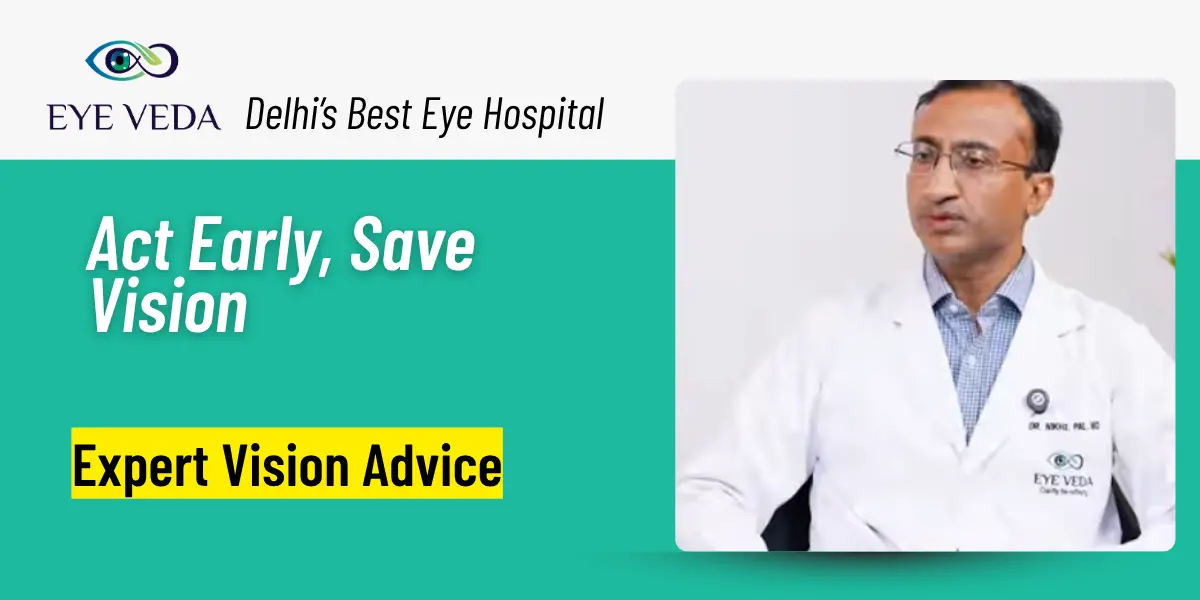
In this insightful video, Dr. Nikhil Pal from Eye Veda Hospital explains the three leading causes of retinal detachment and why timely detection can make all the difference.
Top 3 Causes of Retinal Detachment
| Cause | Description | Who Is at Risk |
|---|---|---|
| 1. High Myopia (High Minus Number) | People with high minus power may develop weak spots in the retina. Fluid can seep through these areas and cause the retina to separate. | Anyone with a high myopic prescription (–4 D or more) should have regular retina screenings. |
| 2. Eye Injury or Trauma | A direct impact to the eye—common in sports or accidents—can damage the retina’s delicate layers. | Athletes, adventure enthusiasts, and individuals with a history of ocular injury. |
| 3. Comorbidities (Diabetes / Hypertension) | Diseases like Diabetic Retinopathy or Hypertension-induced vascular occlusion can block blood vessels and lead to retinal detachment. | Those with chronic illnesses or uncontrolled blood pressure/sugar levels. |
What is Retinal Detachment?
The retina is a thin, light-sensitive layer of tissue that lines the back of your eye. It captures light and sends visual signals to your brain — making it essential for clear sight.
When the retina pulls away from its normal position, the blood supply and oxygen are disrupted, leading to sudden vision impairment or blindness if not treated immediately.
What You Should Know
- Early symptoms include sudden flashes of light, floaters, or a curtain-like shadow in your vision.
- If you notice any of these signs, seek medical attention immediately—early treatment is crucial.
- Routine eye check-ups help detect retinal weakness before it becomes an emergency.
Common Symptoms You Should Never Ignore
Early detection can save your vision. Watch out for these warning signs of retinal detachment:
- Sudden flashes of light or floaters in your vision
- A dark curtain or shadow blocking part of your sight
- Blurry or distorted central vision
- Sudden reduction in side (peripheral) vision
If you experience even one of these symptoms, visit an eye specialist immediately.
Doctor’s Insight
“Understanding your risk factors is the first step toward preventing retinal detachment. Regular retina exams can save your sight.”
— Dr. Nikhil Pal, Eye Veda Hospital
Contact Us for Best LASIK treatment
Ready for the Best LASIK Treatment in Delhi? Get in touch with Eye Veda Hospital and get a free LASIK workup.
Visit Us: 📍 GF, E5, Block E, Defence Colony, Delhi – 110024
Call Us: 📞 +91-8800433050
Email Us: ✉️ [email protected]
Leave a Reply